 ™
Itchy beard in fall? How to tell dry skin from dandruff
October 20, 2026
Once the furnace kicks on for good and the nights turn cool, bearded guys start asking us the same thing at the market table. They want something for an itchy beard in fall. Sometimes we have what they need. Sometimes the honest answer is a dermatologist, not a bottle from us.
Most of the work is telling those two situations apart. It is worth doing before you spend money on anything, ours included.
Why an itchy beard in fall starts with the skin underneath
Hair gets the attention, but the itch lives in the skin under it. When the heat comes on indoors in central Virginia, the air in most houses dries out. Skin gives up water to dry air, and the patch under a beard is easy to ignore until it starts snowing onto a dark shirt.
Dermatologists call plain dry skin xerosis. According to the Cleveland Clinic, cold or dry conditions can bring it on, and some shampoos and soaps can add to the problem. Plenty of men wash their beard with whatever is in the shower, usually a hair shampoo or a bar of deodorant soap. Neither one was made with the skin of your face in mind.
Hot water plays a part too. A long, hot shower feels good on a cold morning, but it can leave skin drier than it was. Lukewarm water is less fun and kinder to your face.
Beard dandruff vs dry skin comes down to the flakes
People say "beard dandruff" about two different things. One is plain dry skin. Other times it is seborrheic dermatitis, a common skin condition that the American Academy of Dermatology says often develops under a beard or mustache.
A guide from Neofollics, a hair-care retailer, gives a plain-language way to tell them apart. Dry flakes with no redness and no greasy patches usually point to simple dry skin. Seborrheic dermatitis tends to bring greasy or yellowish scale, redness, and more itching.
That guide comes from a retailer and it is not a diagnosis. We make soap. We are not doctors. Use it as a first look in the bathroom mirror, and let a dermatologist settle the question if you are unsure.
A product reaction is a third possibility. A new aftershave or a heavily scented oil can leave skin itchy and red. If the itch started right after you switched products, pay attention to that.
A gentle fall routine for dry skin under your beard
If what you have looks like plain dry skin, this is the part we can help with. It is a short routine, and the order matters more than the brand.
- Wash with lukewarm water and a cleanser made for beards, work it in with your fingertips, then rinse longer than you think you need to.
- Pat the beard until it is damp, not dripping, and work a few drops of beard oil from your palms down to the skin, not only the ends.
- On the driest days, follow with a little leave-in conditioner so the hair scratches your face less.
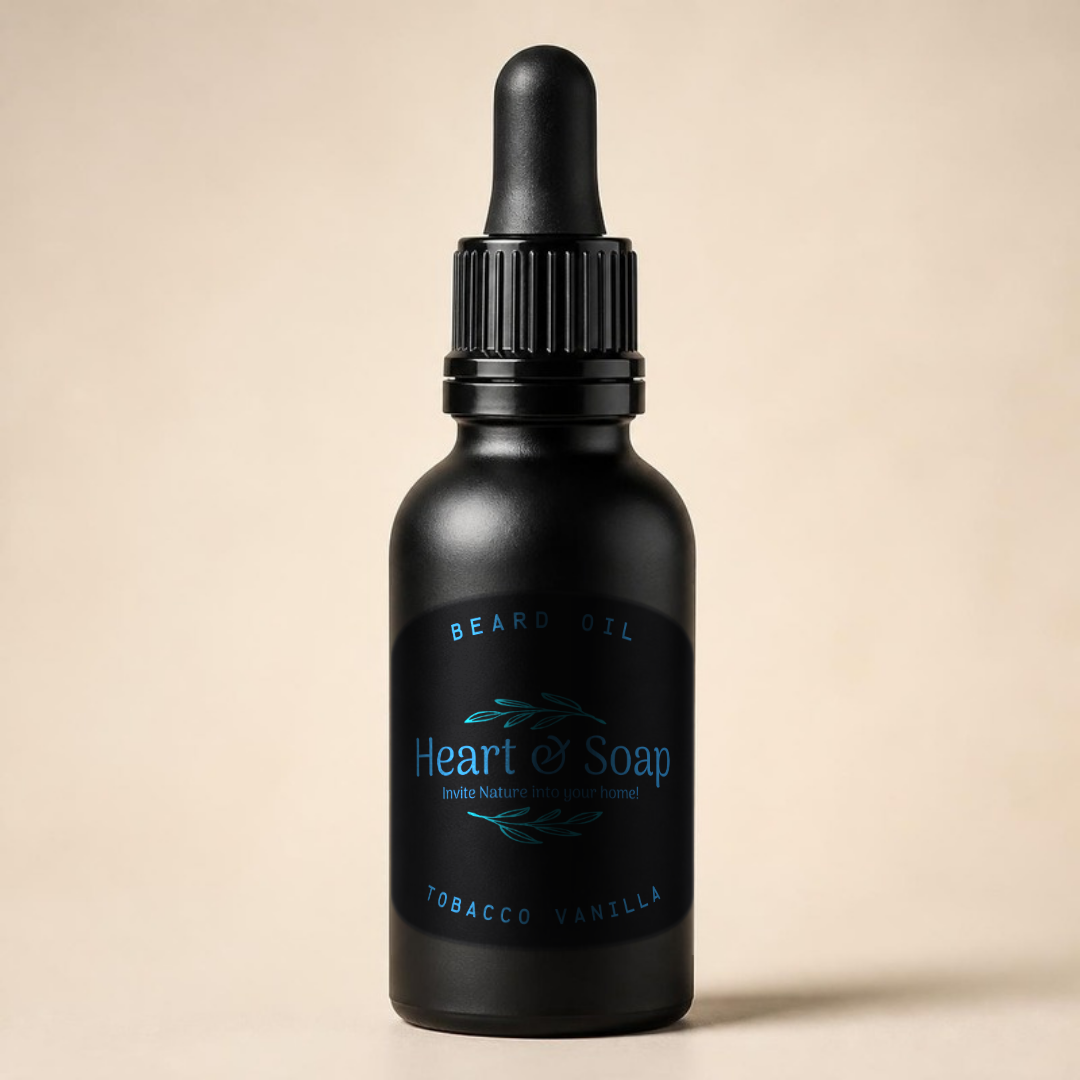
For the first step, we make a beard wash made to be gentle on the skin underneath. For the second, there is our 2 oz beard oil, and for the third, our beard leave-in conditioner.
Oil goes on damp skin because it helps hold in water that is already there. On bone-dry skin it does less. A few drops is enough. If your beard looks shiny an hour later, you used too much.
People skip the long rinse, and they shouldn't. Leftover cleanser sitting against the skin can cause its own itch, and the AAD lists thorough rinsing among its self-care steps for beards.
How often to wash your beard
Advice on this varies, and that is fine. A dermatologist quoted by the Cleveland Clinic recommends washing the beard daily to head off itch problems. A contributor piece on KIRO 7 suggests cutting back to two or three times a week if daily washing leaves your skin dry.
We think it depends on you. If you sweat at work or your beard catches half of every meal, daily makes sense. If your skin feels tight after every wash, try every other day with a plain water rinse in between, and watch how your skin does over a couple of weeks.
When to stop DIY and see a dermatologist
Everything we make for beards is meant for dry skin. It is not medicine, and it will not clear up seborrheic dermatitis or a reaction to some other product. We would rather tell you that here than sell you something that does nothing for the problem you actually have.
Book an appointment if the scale looks greasy or yellow and the skin under it is red. Do the same if the itching wakes you up, or if things get worse instead of better after a couple of weeks of gentle care.
For seborrheic dermatitis, the AAD points people toward medicated dandruff shampoos, which can be used on the beard and face. Ask a pharmacist or dermatologist which one; you will find it in the pharmacy aisle, not at our table.
AAD guidance also calls for a fragrance-free moisturizer after washing and avoiding products that contain alcohol, since those can cause flare-ups. If you are in that camp, read the label on everything you put on your face, including anything you buy from us. Our answers to common ingredient questions are a good place to start, and we are always glad to answer more.
If your flakes look like plain dry skin, come see us at Fourth Fridays on October 23 or at the Fall Wine & Craft Fair on November 7. Bring the beard and your questions. Times and details are on our market and events schedule.
Questions we get asked
Can I just use my regular hair shampoo on my beard?
Plenty of people do. If the skin under your beard feels tight or flaky afterward, try a wash made for beards, use lukewarm water and rinse well.
Will beard oil get rid of beard dandruff?
If the flakes are plain dry skin, oil worked into damp skin after washing can help it feel less dry. If you see greasy or yellowish scale with redness, oil will not fix it. See a dermatologist.
How often should I wash my beard when it's cold out?
It depends on you. Some dermatologists recommend daily washing. If that leaves your skin tight and flaky, try every other day with a water rinse in between and see how your skin responds.