
Glycerin soap vs cold process soap, and who gets which
November 17, 2026
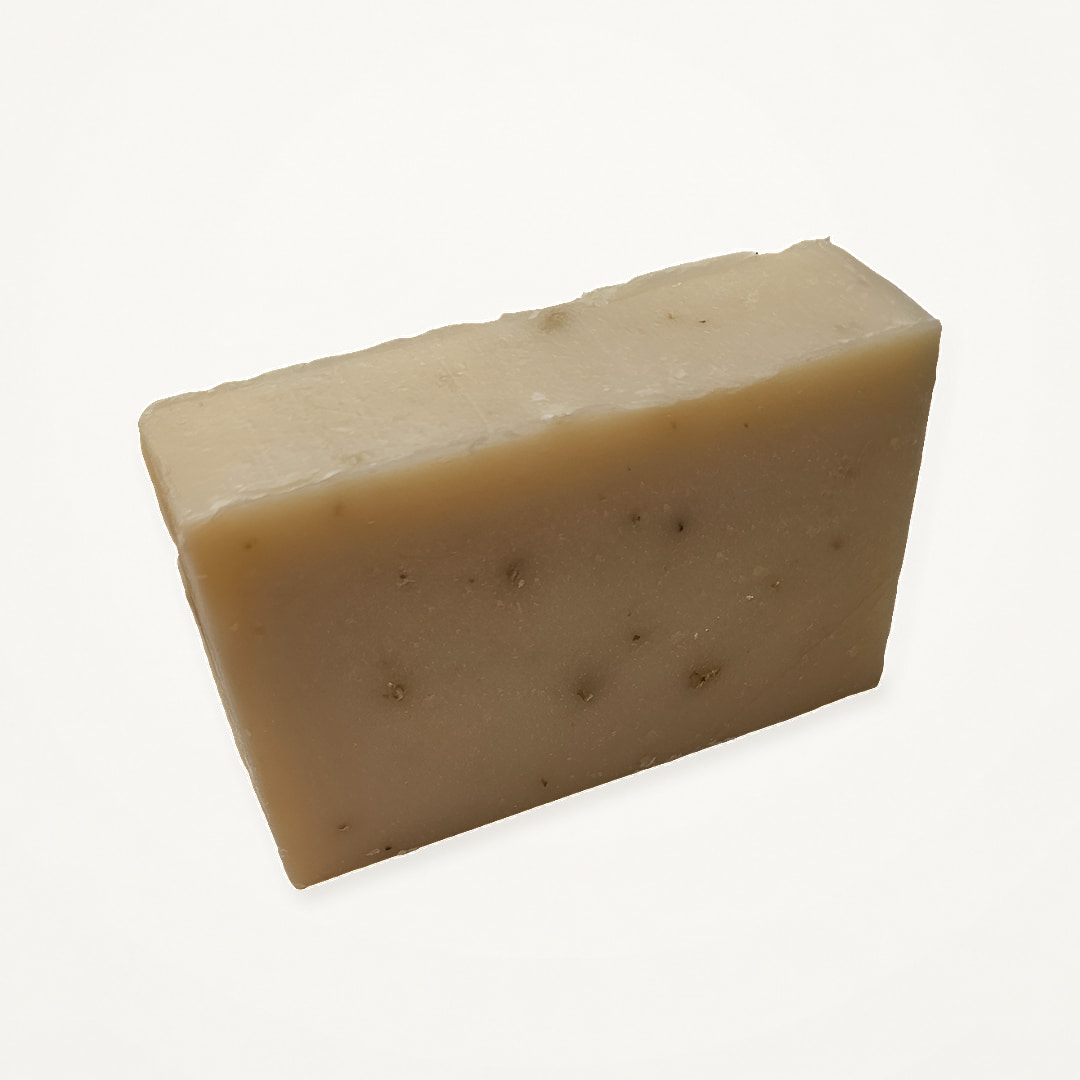
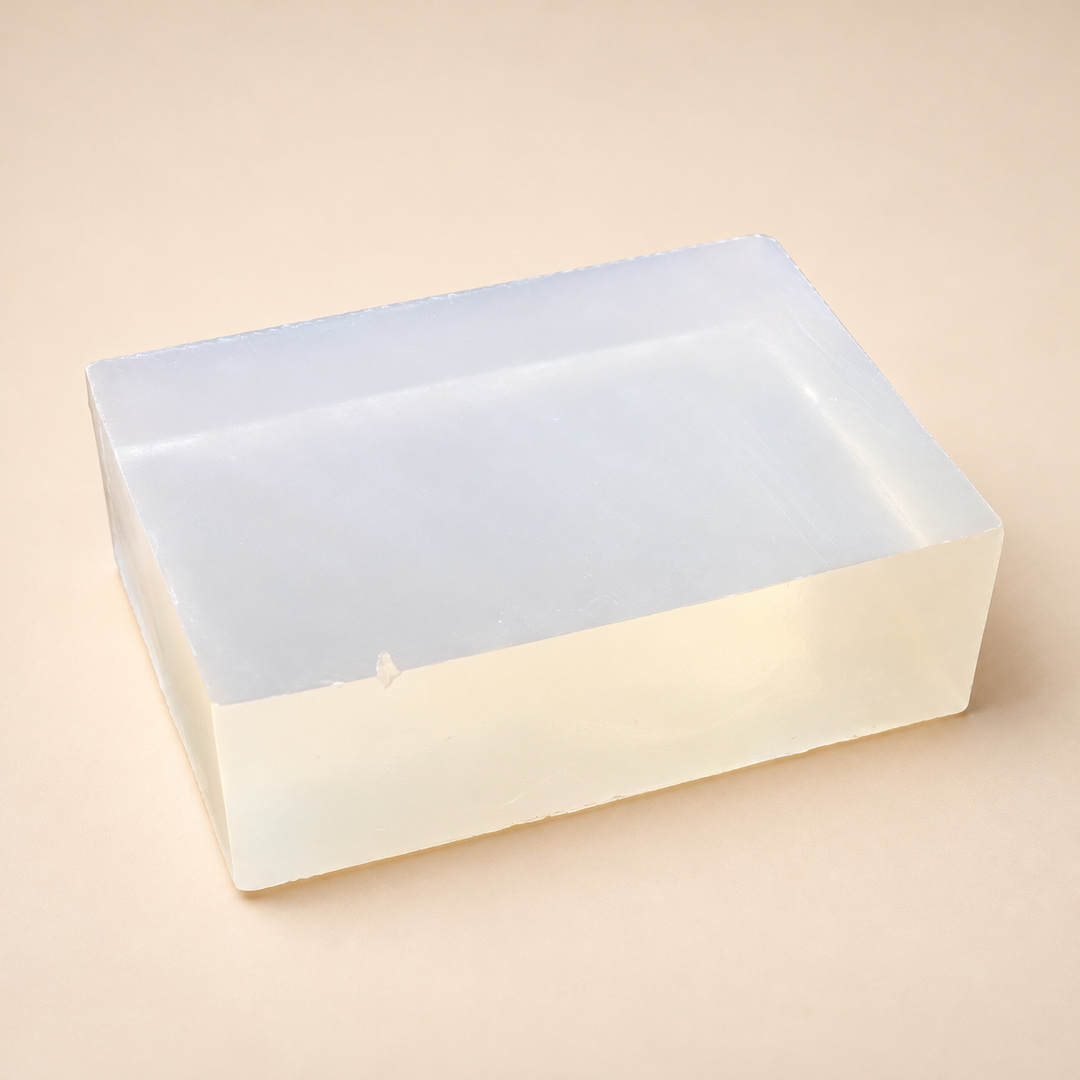
Two bars on our market table get picked up and put down more than anything else. One is clear and shows its color all the way through. Its neighbor is opaque and creamy, a little heavier in the hand.
People usually ask which one is better. We don't think that question has one answer, so this post sets out glycerin soap vs cold process soap side by side and says where each one earns its place and where it falls short.
Two bars, two ways of making soap
Our cold process soap bar starts as oils and lye. We stir them together, pour the batter into molds, and the chemistry that turns them into soap keeps working after the pour.
Then the bars wait. Cold process soap is commonly left on a rack for about four to six weeks, which is how it gets firm and lasts in the shower. Ours stay there until they're hard enough to earn a spot on the table.
Our glycerin soap bar is a poured bar, often called melt and pour. Its base has already been made into soap before it reaches our kitchen. We melt it and add scent and color before pouring.
No lye handling happens at our stove for that bar, and no weeks on the rack either. It sets up as it cools and is ready much sooner.
Glycerin soap vs cold process soap in a humid bathroom
Lather is the first difference most people feel. Cold process gives a thicker, creamier lather. Glycerin lathers lighter and rinses off quickly, which some people prefer on their face and hands.
Looks matter too, and we won't pretend otherwise. A glycerin bar is clear, so color and anything suspended in it show through. Our cold process bar is opaque and plain in a way we happen to like.
A Virginia August is where they really part ways. A glycerin-rich base pulls moisture from the air, so in a steamy bathroom a poured bar can soften or bead up with little drops on the surface. Soapmakers call that sweating, and how much it happens depends on the formula.
A well-aged cold process bar is usually harder and wears down more slowly in the same shower. Either way, a dish that drains helps. A bar sitting in a puddle goes soft, whatever it's made of.
Which bar we hand to whom
A guest sink in a half bath with no shower suits the glycerin bar fine. It gets light use, it looks nice, and it stays drier when nobody runs hot water nearby for twenty minutes.
In a full bathroom, especially one with a shower that fogs the mirror, we hand people the cold process bar. It holds its shape longer in damp air.
Dry fall hands usually come from heated indoor air. It pulls moisture from skin, and a lot of folks notice their hands feel tight by November. We lean toward the cold process bar here because of its creamier feel, and our goat milk bar is the other gentle option on the table.
Soap cleans. It can feel gentle, but it doesn't fix anything. If your skin is cracking or won't stop itching, please see a doctor or dermatologist instead of trying another bar.
Kids tend to go for the glycerin bar because they can see through it. It rinses off fast, which helps small hands that don't rinse long. Teach them to set it on a dry dish, or you'll find a soft lump by Saturday.
Travelers should take the cold process bar. A well-aged bar handles a zip bag and a damp hotel counter better than a glycerin bar, which can turn tacky.
As a gift, the glycerin bar looks like a present before you wrap it. If you can't choose for someone, the Sampler Trio gift set lets them try more than one bar and decide for themselves.
What the word soap means on a label
Glycerin forms naturally when oils and lye become soap. Traditional handmade soap generally keeps it in the bar. Some commercial soaps keep it too, so we won't tell you store-bought soap never has glycerin.
We'd also be careful with the word handmade, including on our own labels. It tells you how and where a bar was made. It doesn't promise a bar is gentler, and a commercial cleanser can be mild or harsh depending on its formula.
Soap as a label word is narrower than most shoppers think. Under FDA rules it means a product made mostly of true soap and labeled, sold and represented only as soap. Products that meet that definition are regulated by the Consumer Product Safety Commission, not the FDA.
A cleanser that doesn't meet every part of that definition gets regulated as a cosmetic or a drug. CPSC guidance notes that synthetic detergents can make a product a cosmetic even when the front of the package says soap.
When we read an ingredient list, we look for a few things:
- Oils listed with sodium hydroxide, or as saponified oils, which point to true soap.
- The base ingredients on a melt and pour bar, not only the scent added later.
- Synthetic detergents such as sodium lauryl sulfate, which mark a cleanser rather than true soap.
- Fragrance listed where you can see it, if scent matters to you.
None of that makes one bar good and another bad. It just tells you what you're buying.
If you're still deciding, come see both bars at the England Street Christmas Market on December 5. Check our events page for the details, pick up one of each, use them side by side for a week, and tell us which one you'd buy again.
Questions We Get Asked
Why is my glycerin bar wet or sweaty?
Glycerin pulls moisture from the air, so in a humid bathroom a poured bar can bead up or soften. Keep it on a dish that drains, and away from the shower if you can.
How long does cold process soap sit before it's ready?
Cold process bars are commonly left on a rack for about four to six weeks. That time is how they firm up and last longer in the shower.
Is glycerin soap better for dry skin?
Both of our bars keep their glycerin, and both clean. The cold process bar feels creamier, and the glycerin bar rinses off quickly. Neither one treats a skin condition. If your skin is cracked or itchy, see a doctor or dermatologist.