 ™
Body butter vs. lotion, and when we reach for each
October 27, 2026
When the furnaces come on around Ashland, the air inside the house dries out fast, and so do hands and shins. This time of year, the question we hear most at our table is which one to buy, the butter or the lotion. Body butter vs. lotion is a fair thing to wonder about, and our honest answer is that we use both, at different times of day.
Most comparisons stop at "butter is thicker." True enough. It leaves out the part that decides whether a butter feels wonderful or just greasy, which is when you put it on.
Body butter vs. lotion comes down to water
As an oil-in-water emulsion, lotion carries a lot more water than a body butter does. All that water is why it spreads with almost no effort and seems to disappear into your skin within a minute or two.
Butter is mostly fats and oils, with far less water. It's thicker and slower to work in, and it leaves a soft film you can feel afterward.
Medical News Today puts it plainly. By their account, lotion is lighter and easier to spread, while butter moisturizes more intensively but can feel greasy. In our experience, the greasy part usually comes down to timing.
Anyone who makes soap spends a lot of time watching oil and water refuse to mix until you give them a reason. A lotion is that truce, bottled. A butter is mostly the oil side of the argument.
In a humid Virginia summer, lotion is usually plenty. Once the heat runs all day and the air indoors goes dry, plenty of people find a morning lotion doesn't carry them past lunch. Around then, butter earns a spot on the shelf.
Why butter belongs on damp skin after a shower
A butter doesn't bring much water of its own. What it does well is sit on your skin and slow down how fast moisture leaves. Rub it onto skin that's already dry and tight, and there isn't much to hold in. Smooth it over skin that's still damp from the shower, and you're keeping the water that's already there.
We understand it that way, and it lines up with what dermatologists say about timing. According to the American Academy of Dermatology, the time to moisturize is while skin is still damp after a shower or bath, after you wash your hands, and any time skin feels dry.
Keeping showers to 5 to 10 minutes in warm water also helps, according to the AAD, and so does patting yourself dry instead of rubbing. Neither costs a thing.
Johns Hopkins Medicine goes a step further and says to use an ointment or cream rather than a lotion within a few minutes of bathing. A body butter sits closer to that heavier end than a lotion does, which is why we save ours for after the shower.
How to apply body butter
- Keep the shower warm and short, then pat dry so your skin is damp, not dripping.
- Scoop less than you think you need and warm it between your palms until it goes soft.
- Press it onto the driest spots first, usually shins and heels, then smooth outward.
- Give it a few minutes to settle before you pull on clothes.
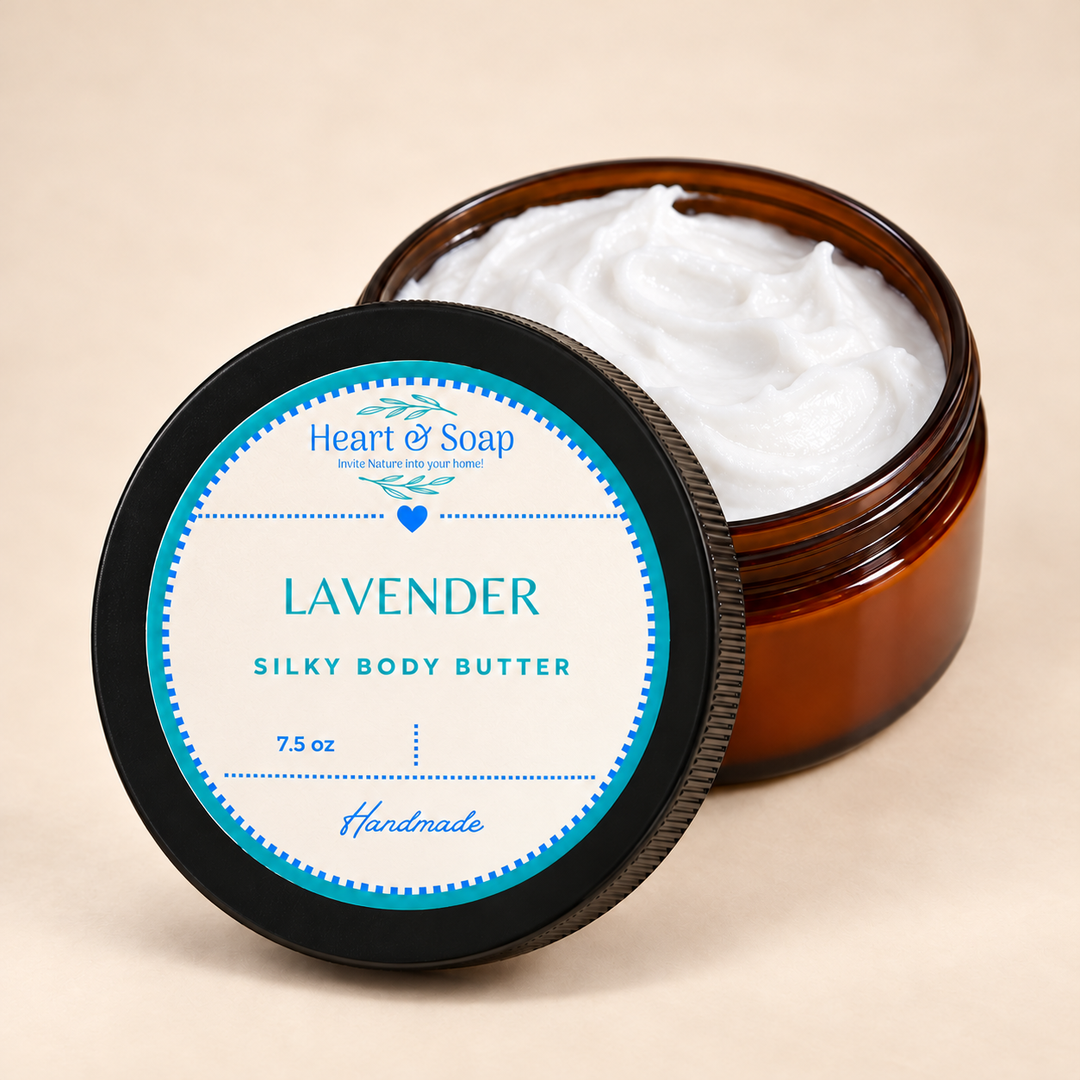
If you tried a butter once and hated it, give it one more go this way, since damp skin and a smaller scoop take care of most of the greasy feeling people tell us about.
Our house rule is lotion by day and butter at night
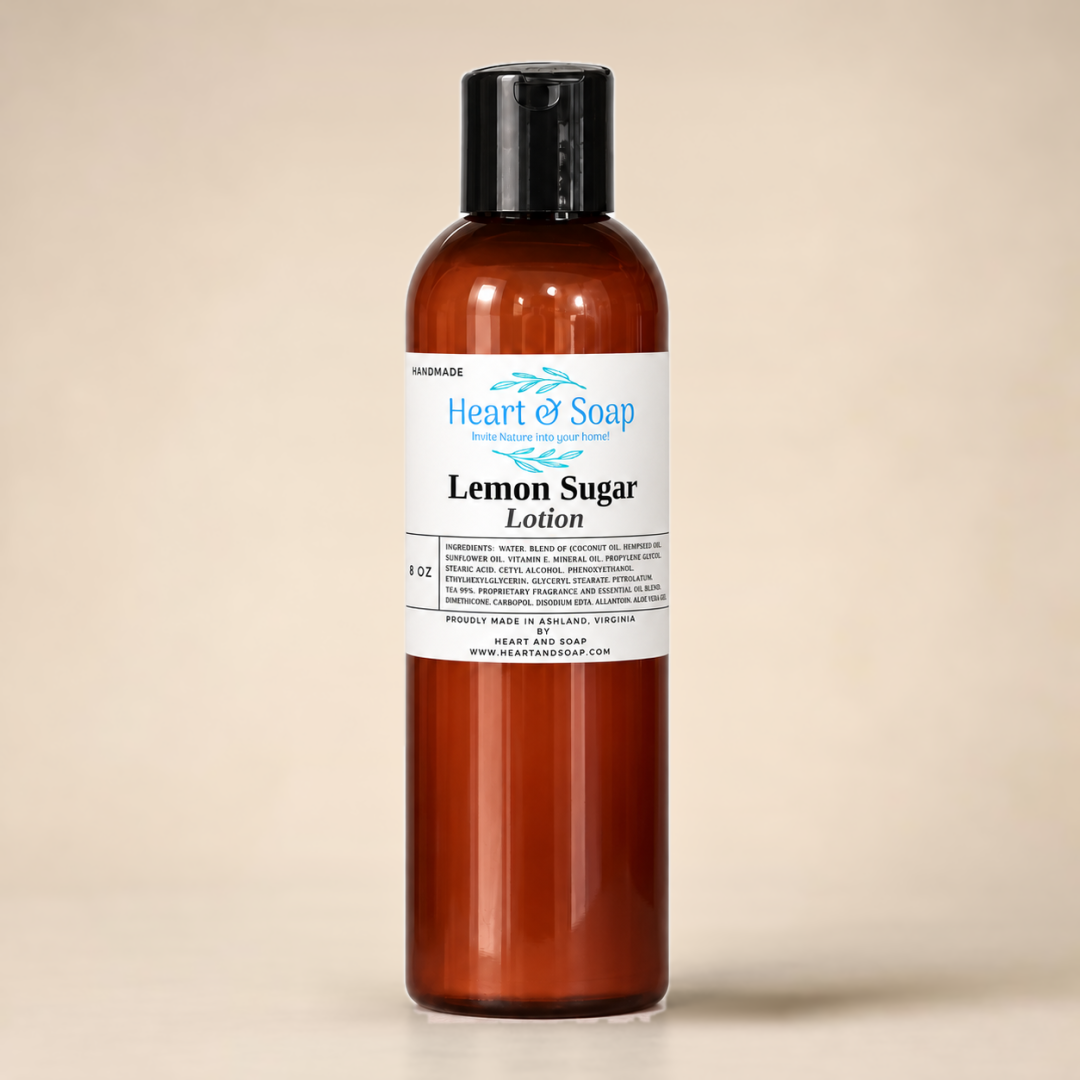
Daytime is for lotion. We wash our hands constantly in a soap kitchen, and butter on our hands at noon would end up on every doorknob and phone screen in the house. A pump of our lotion in the premium scents after washing soaks in fast enough that we can get right back to work.
Night is for butter. After the evening shower, or right before bed if that's when your hands feel worst, a thin layer of Silky Body Butter gets hours to sit while nobody needs you to touch anything. Butter on your heels under a pair of cotton socks is an old trick for a reason.
Soap plays a part too, though a smaller one than people hope. Soap is soap. It cleans, and some bars are gentler than others, but no bar replaces a moisturizer.
If your skin feels tight right after washing, a milder bar like our goat milk soap is worth trying. You'll still want the lotion or butter after.
You can use both, but keep body butter off your face
You don't have to pick one. Plenty of people end up with lotion by the kitchen sink and a jar of butter on the nightstand, which is more or less how we do it.
You can also split them by body part on the same night. Arms that don't need much get lotion, and shins and heels that need more get butter. If you want both in one spot, put the lighter lotion down first and the butter over it. Honestly, we rarely bother.
We keep both of these on the body and off the face. Facial skin is its own subject, and a butter made with heels in mind is heavier than most people want near their eyes. If your face is giving you trouble, ask a dermatologist, not a soap maker.
Skin that cracks open or itches enough to keep you awake is a reason to see a doctor, and no jar from us is going to change it.
If you're still deciding, come find us at the Fall Wine & Craft Fair on November 7. Our events page has the details. Try the lotion and the butter on the back of your hand before you choose.
Questions we get asked
Is body butter better than lotion for dry skin?
Butter is heavier and moisturizes more intensively, so many people with dry skin like it after a shower or at bedtime. During the day, lotion is easier. If your skin cracks or itches badly, see a dermatologist.
Does body butter have to go on damp skin?
It doesn't have to, but it feels and works better that way. On fully dry skin it tends to sit on top and feel greasy. Pat dry after a shower and put it on within a few minutes.
How much body butter should I use?
Less than you think. Warm a small scoop between your palms, press it onto the driest spots, and add more only where your skin still feels tight.